Advanced Building Materials and Construction Methods
The construction industry is experiencing a major shift with 3D printing technology creating complex architectural components at a fraction of traditional costs.

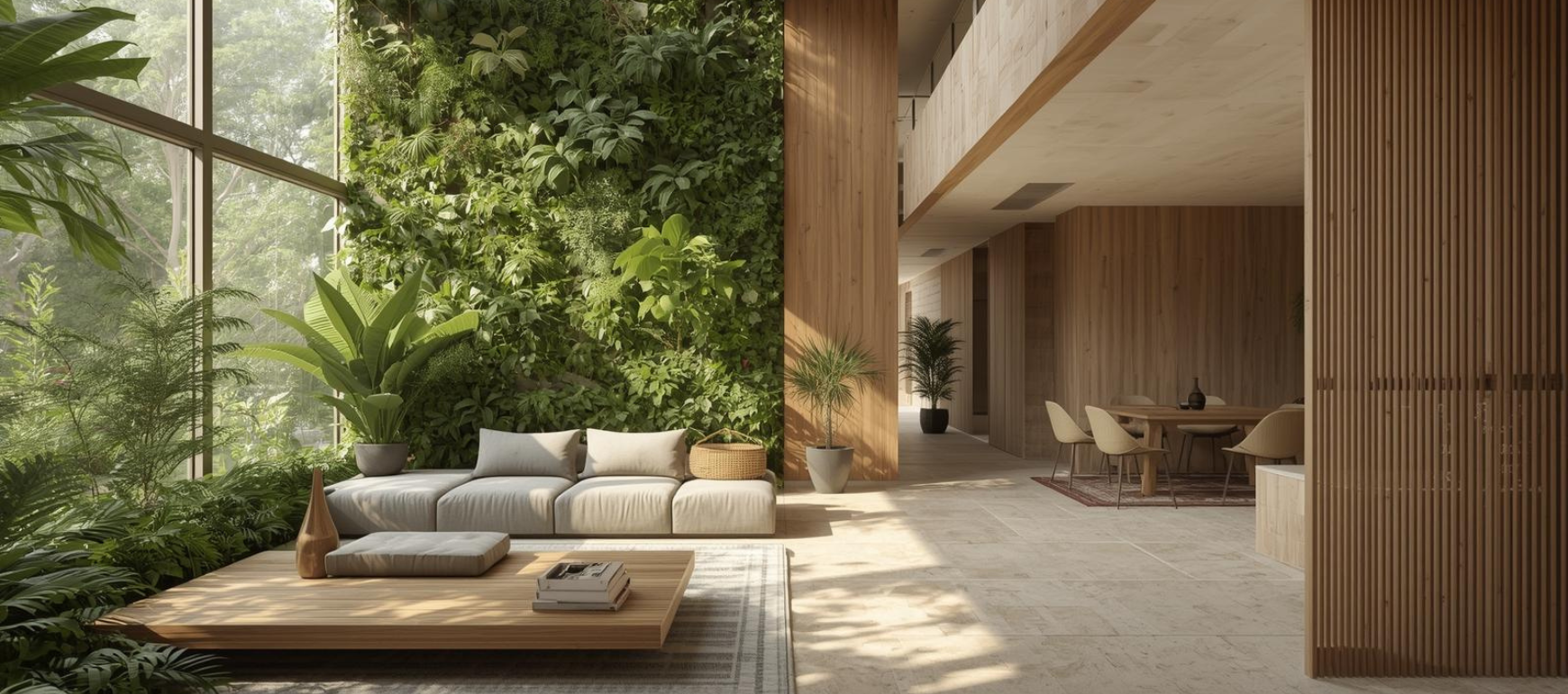
Vertical gardens and living roofs have transformed from experimental features into mainstream architectural elements that actually clean the air we breathe. These systems work like giant natural filters, pulling pollutants, dust, and toxins right out of the surrounding environment. A single square meter of living wall can process the same amount of air as 20 square meters of forest.
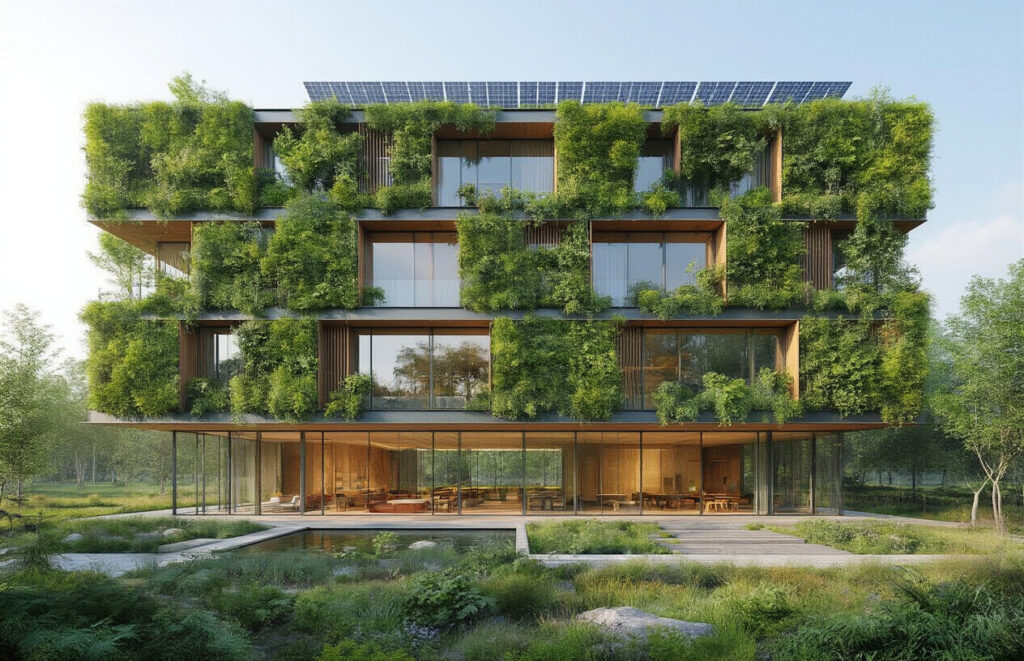
The technology behind these green systems has gotten remarkably sophisticated. Hydroponic and aeroponic growing methods allow plants to thrive without soil, making installation easier and maintenance more predictable. Smart irrigation systems monitor moisture levels and nutrient delivery automatically, while specialized growing mediums provide the perfect balance of drainage and root support.
Green roofs offer multiple benefits beyond air purification. They create natural insulation that keeps buildings cooler in summer and warmer in winter, reducing energy costs by up to 30%. The plants also absorb rainwater, preventing runoff and reducing strain on urban drainage systems. Plus, they provide habitat for birds and insects, bringing biodiversity back to city environments.
Modern living wall systems incorporate native plant species that require minimal water and maintenance while maximizing air-cleaning potential. Popular choices include ferns, mosses, and climbing plants that naturally filter formaldehyde, benzene, and other common indoor pollutants.
JArchitects are getting creative with ways to flood interiors with daylight while keeping energy bills low. Light shelves, clerestory windows, and strategically placed mirrors can bounce natural light deep into building cores, eliminating the need for artificial lighting during daytime hours.
Dynamic window systems automatically adjust transparency and tinting based on sun position and interior lighting needs. These smart glass technologies can reduce cooling costs by blocking excessive heat while still allowing beneficial daylight to enter. Some advanced systems even generate electricity through integrated photovoltaic cells.
Skylights have evolved beyond simple roof cutouts. Modern designs include motorized opening mechanisms for natural ventilation, integrated blinds for glare control, and LED backup systems that seamlessly blend with natural light when needed. Tubular skylights can bring daylight to interior spaces that would otherwise remain dark, using reflective tubes to channel sunlight from roof to ceiling.
Light wells and courtyards create natural illumination sources in multi-story buildings. These architectural features draw light down through multiple floors while providing visual connections to outdoor spaces. Interior gardens positioned in these light wells add biophilic elements while helping distribute natural light throughout surrounding rooms.
Building materials directly impact the air quality and health of everyone who lives or works in a space. The shift toward low-VOC (volatile organic compound) and zero-emission materials has picked up serious momentum as people become more aware of indoor air pollution.
Reclaimed wood, bamboo flooring, and cork surfaces have become popular choices that look amazing while avoiding the chemical treatments found in traditional building materials. These natural options often improve with age and create unique character that synthetic materials can’t match.
Recycled metal, reclaimed brick, and salvaged stone reduce environmental impact while adding authentic texture and history to new constructions. Many architects now source materials locally to reduce transportation emissions and support regional economies.
Low-impact concrete alternatives like hempcrete and rammed earth provide excellent insulation properties without the carbon footprint of traditional concrete. These materials regulate humidity naturally and create healthy indoor climates without mechanical ventilation systems.
Natural insulation materials including sheep’s wool, cellulose, and cork offer superior thermal performance while remaining completely non-toxic. Unlike synthetic insulation, these materials can be safely handled during installation and won’t release harmful particles into living spaces over time.
Rainwater harvesting has moved from simple barrels to sophisticated collection and filtration systems built directly into building design. Roof surfaces, gutters, and downspouts now channel water into underground cisterns where it’s filtered and stored for irrigation, toilet flushing, and other non-potable uses.
Greywater recycling systems capture water from sinks, showers, and washing machines, treating it for reuse in landscape irrigation. These systems can reduce household water consumption by 40% while keeping gardens and green spaces thriving even during drought conditions.
Permeable paving materials allow rainwater to soak into the ground naturally instead of running off into storm drains. These surfaces help recharge groundwater while reducing flooding and erosion around buildings.
Native landscaping requires minimal irrigation once established, and drought-resistant plant selections can create beautiful outdoor spaces without constant watering. Smart irrigation controllers monitor soil moisture and weather conditions to deliver water only when plants actually need it.
Integration of these water systems into architectural design creates seamless functionality where conservation happens automatically without requiring lifestyle changes from occupants.
 05Sep
05Sep
 13Sep
13Sep
Comments are closed