Voice-controlled environmental management for enhanced comfort
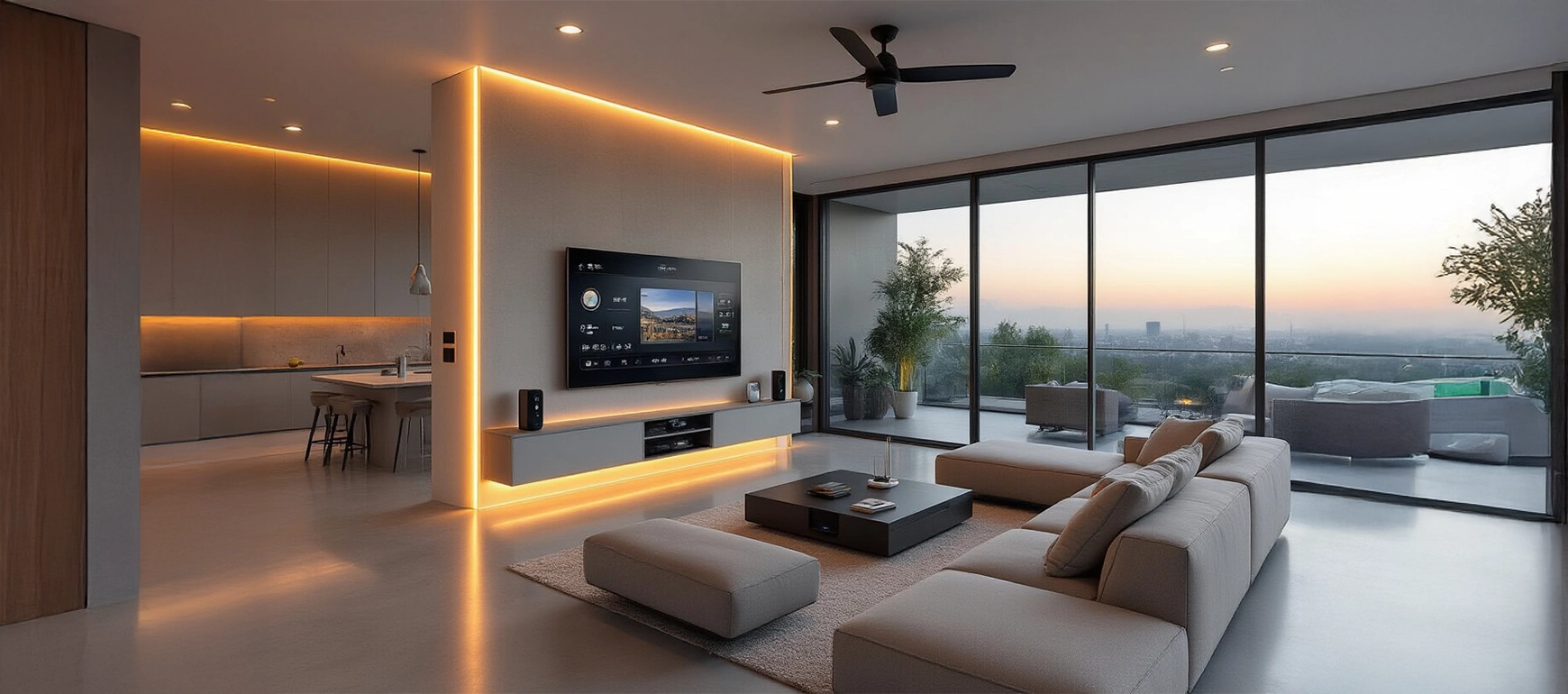
Modern homes are becoming conversation partners, responding to spoken commands with remarkable precision. Today’s voice-controlled systems go far beyond simple temperature adjustments, orchestrating entire environmental experiences through natural speech. These systems integrate with HVAC, lighting, window treatments, and air purification to create personalized atmospheres that adapt throughout the day.
The latest advancements include contextual understanding, where systems learn household routines and anticipate needs. Speaking “goodnight” might simultaneously dim lights, lower the thermostat, activate security systems, and close motorized blinds. Multi-room coordination allows voices to carry commands across floors, while smart speakers positioned strategically throughout the home ensure seamless communication.
Biometric integration adds another layer of sophistication. Voice recognition technology can identify different family members, automatically adjusting environmental preferences based on who’s speaking. Children’s voices might trigger safety protocols, while guest recognition maintains comfortable default settings without compromising personal preferences.
AI-powered security systems with seamless architectural integration
Security technology now disappears into the architectural fabric itself, creating protection that’s both comprehensive and invisible. AI-driven cameras embedded within decorative elements analyze behavioral patterns, distinguishing between family members, guests, delivery personnel, and potential threats. These systems learn normal household rhythms, flagging unusual activities without generating false alarms.
Facial recognition technology works alongside smart locks that seamlessly integrate into door designs, eliminating traditional key hardware while maintaining aesthetic appeal. Hidden sensors within walls and flooring detect movement patterns, while smart glass windows can switch from transparent to opaque instantly, providing privacy on demand.
The most impressive developments include predictive analytics that assess risk levels based on neighborhood data, weather patterns, and historical incidents. Integration with local emergency services creates automatic response protocols, while smartphone connectivity allows remote monitoring without obvious security apparatus cluttering the home’s visual appeal.
Energy monitoring dashboards for cost-effective living
Real-time energy visualization transforms how residents understand and control household consumption. Interactive displays built into kitchen islands, bathroom mirrors, or hallway walls show live energy usage across individual appliances, rooms, and systems. These dashboards use color coding and intuitive graphics to make complex energy data immediately understandable.
Advanced systems track consumption patterns against local utility rates, automatically shifting energy- intensive activities to off-peak hours. Smart water heaters, washing machines, and electric vehicle chargers coordinate their operation to minimize costs while maintaining comfort and convenience.
Machine learning algorithms analyze historical usage data to predict monthly bills and suggest optimization strategies. Integration with renewable energy sources like solar panels provides comprehensive energy management, showing production versus consumption in real-time. Some systems gamify energy conservation, creating household challenges and tracking progress toward sustainability goals.
Wireless charging stations built into furniture and surfaces
Charging technology now integrates invisibly into everyday surfaces, eliminating cord clutter while maintaining design aesthetics. Kitchen countertops, bedside tables, office desks, and even flooring incorporate wireless charging zones that activate automatically when compatible devices are placed nearby. These systems support multiple devices simultaneously while maintaining surface functionality.
Advanced implementations include charging furniture that adapts to different device sizes and orientations. Coffee tables with built-in charging surfaces can power laptops, tablets, and smartphones simultaneously, while maintaining their primary function as gathering spaces. Bedroom nightstands feature multiple charging zones positioned for optimal device access during sleep.
The technology extends beyond personal devices to include electric toothbrushes, smart home sensors, and portable speakers. Integration with home automation systems allows charging schedules that coordinate with energy management goals, charging devices during off-peak hours or when solar production is highest. Safety features include automatic shutoff when foreign objects are detected and temperature monitoring to prevent overheating.

 31Aug
31Aug
 20Sep
20Sep