Bold Angular Structures That Create Striking Visual Impact
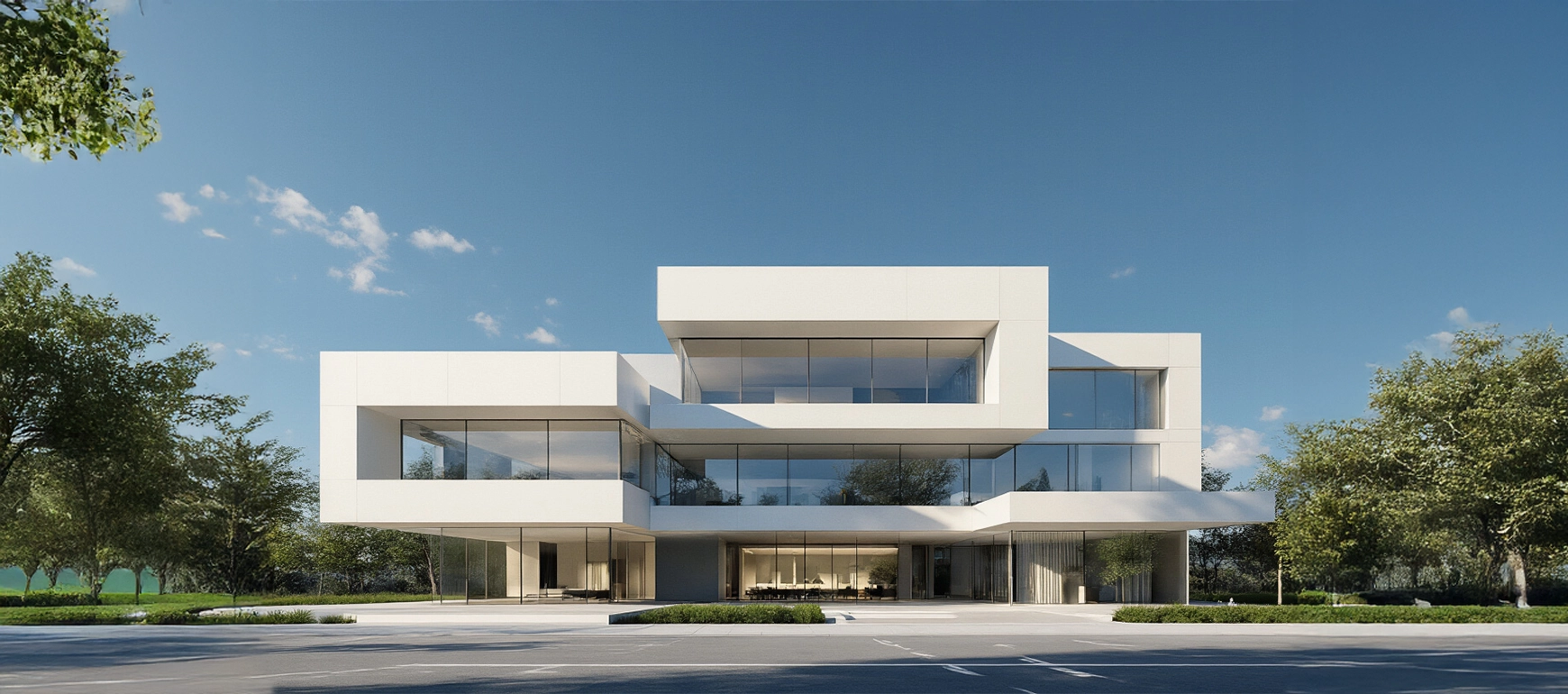
Architecture in 2025 embraces sharp, decisive lines that command attention without overwhelming the senses. Think of buildings that look like they’ve been carved from single blocks of stone, with dramatic cantilevers and unexpected geometric cutouts that play with light and shadow throughout the day. These structures aren’t just visually stunning – they’re conversation starters that make people stop and take notice.
Modern architects are pushing boundaries with triangular facades, diamond-shaped windows, and razor- sharp corners that create dynamic silhouettes against the sky. The key is balance: while these buildings make bold statements, they maintain harmony with their surroundings through careful proportioning and strategic placement of geometric elements.
Simplified Color Palettes for Timeless Aesthetic Appeal
The color story of 2025’s minimalist architecture revolves around restraint and sophistication. Monochromatic schemes dominate, with variations of white, gray, and black creating depth through texture rather than hue. Natural materials like concrete, steel, and glass provide subtle color variations that change with lighting conditions.
Accent colors appear sparingly – perhaps a single wall in warm terracotta or deep forest green – but never compete with the overall design philosophy. This approach creates spaces that feel calm and collected, allowing residents to add personality through furnishings and artwork without clashing with the architecture itself.
Streamlined Storage Solutions That Eliminate Visual Clutter
Built-in storage systems have become architectural features in their own right, seamlessly integrated into walls, stairs, and even floor systems. Hidden compartments, floor-to-ceiling cabinets that disappear into the wall plane, and multi-functional furniture pieces ensure every item has a designated home.
Kitchen islands double as storage units, bedroom walls conceal entire wardrobes, and living room entertainment centers vanish behind sleek panels. These solutions maintain the clean aesthetic while providing practical functionality that modern life demands.
Open Floor Plans That Enhance Spatial Flow and Connectivity
Today’s open floor plans go beyond simply removing walls – they create intentional zones that flow naturally into one another. Strategic placement of furniture, changes in ceiling height, and subtle material transitions define different areas without physical barriers.
Kitchen islands serve as natural boundaries between cooking and living spaces, while built-in seating creates cozy nooks within larger rooms. The result is homes that feel spacious and connected, perfect for both intimate family moments and larger gatherings.

 02Sep
02Sep
 15Sep
15Sep