Passive Cooling Techniques for Reduced Energy Consumption
Modern architects are rediscovering age-old cooling strategies while combining them with cutting-edge technology. Cross-ventilation remains the foundation of passive cooling, with designers creating strategic openings that channel natural breezes through buildings. Stack ventilation takes this concept vertical, using thermal buoyancy to draw hot air up and out through roof vents or clerestory windows.
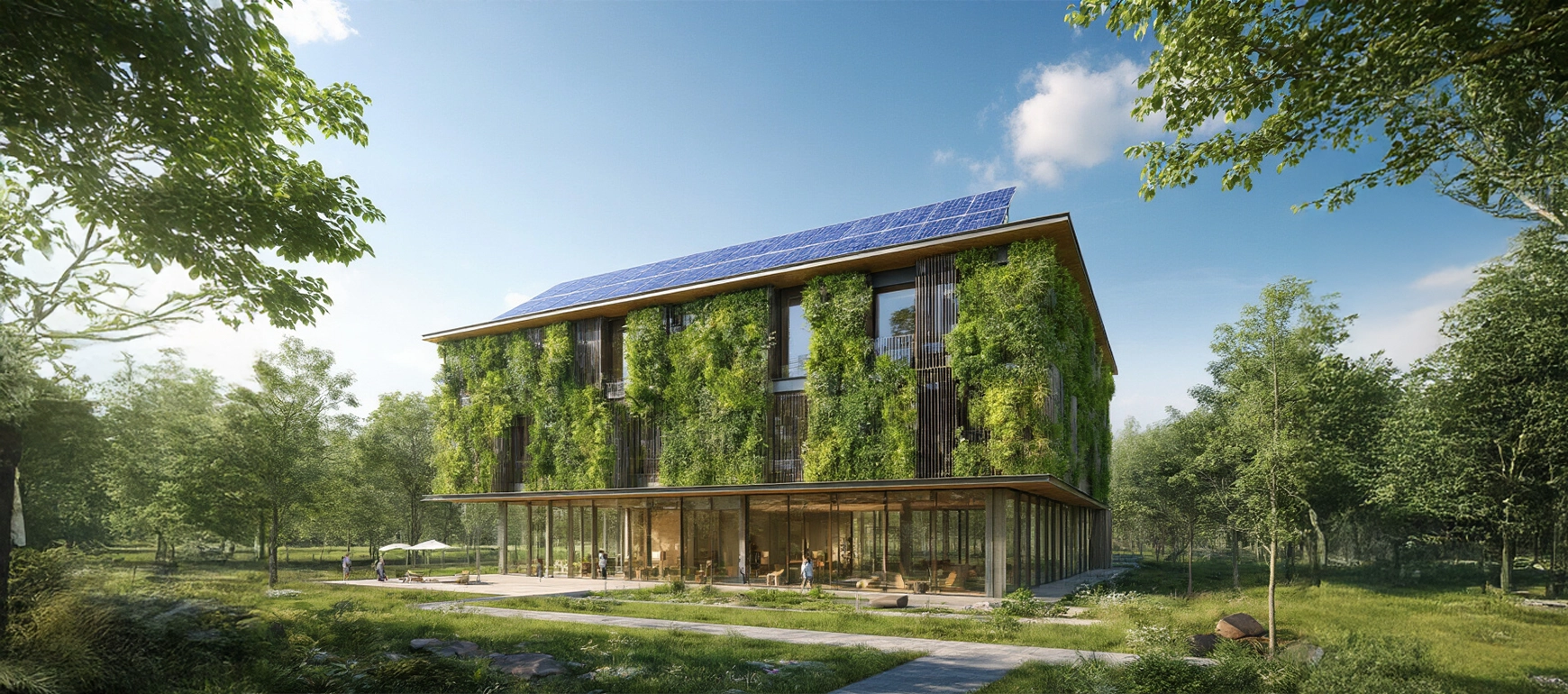
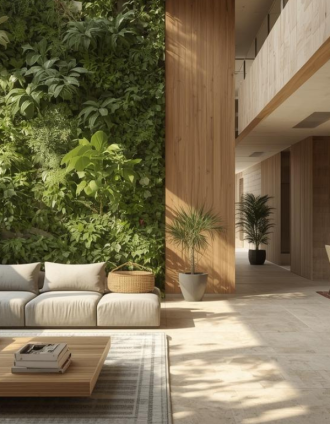
Green roofs and living walls serve dual purposes – they insulate buildings while cooling the surrounding air through evapotranspiration. These systems can reduce interior temperatures by up to 5 degrees Fahrenheit without using any electricity. Thermal mass materials like concrete, stone, or rammed earth absorb heat during hot days and release it slowly at night, creating natural temperature regulation.
Window placement and shading have become precise sciences. Deep overhangs, adjustable louvers, and strategically positioned trees block harsh summer sun while allowing warming winter light. Reflective surfaces and light-colored materials deflect heat rather than absorbing it, keeping buildings naturally cool.
Storm-Resistant Structural Elements for Long-Term Durability
Building codes are evolving rapidly as extreme weather events become more frequent and severe. Hurricane-resistant design now incorporates impact-resistant windows, reinforced door frames, and continuous load paths that distribute wind forces throughout the entire structure. These systems prevent the devastating “unzipping” effect where one failure cascades through the building.
Elevated foundations and breakaway walls protect structures in flood-prone areas. The lower level acts as a sacrificial zone – designed to flood without damaging the main living spaces above. Steel moment frames and reinforced concrete cores provide the backbone for buildings that must withstand both high winds and seismic activity.
Roof systems are getting major upgrades with hurricane straps, impact-resistant materials, and aerodynamic profiles that reduce wind uplift. Some designs feature modular components that can be quickly replaced after storm damage, minimizing repair time and costs.
Flood-Adaptive Foundation Systems for Changing Weather Patterns
Rising sea levels and increased rainfall are pushing architects to think beyond traditional foundation design. Amphibious foundations represent a breakthrough approach – they rest on solid ground during normal conditions but can float when water levels rise, guided by vertical posts that prevent lateral movement.
Permeable foundation systems allow water to flow through and around buildings rather than creating damaging pressure buildup. These designs incorporate French drains, permeable concrete, and strategic landscaping that channels water away from vulnerable areas.
Elevated pier systems lift buildings well above anticipated flood levels while maintaining accessibility through ramps and elevator systems. The space underneath becomes usable for parking, storage, or community gathering areas that can withstand periodic flooding.
Solar Panel Integration That Enhances Architectural Aesthetics
Solar technology has moved far beyond clunky rooftop arrays. Building-integrated photovoltaics (BIPV) now serve as architectural elements – functioning as windows, wall cladding, or decorative screens while generating electricity. These systems maintain clean lines and visual appeal while maximizing energy production.
Solar canopies and pergolas create attractive outdoor spaces while generating power. These structures provide shade for patios, walkways, and parking areas while their angled panels capture optimal sunlight. The dual function eliminates the need for separate shade structures.
Transparent solar cells are revolutionizing window design, allowing natural light while generating electricity. These nearly invisible panels can be incorporated into curtain walls and skylights without compromising the building’s aesthetic vision. Color-matched solar panels now blend seamlessly with roofing materials, making renewable energy systems virtually invisible from street level.

 27Aug
27Aug
 05Sep
05Sep