Traditional craftsmanship techniques in modern construction
Master craftsmen worldwide are reclaiming their rightful place in contemporary architecture. Ancient techniques like Japanese joinery, where complex wooden structures require zero nails or screws, now appear in luxury hotels and residential developments. These methods create buildings that breathe, flex with natural movement, and last centuries longer than conventional construction.
Architects increasingly collaborate with local artisans to weave traditional skills into cutting-edge projects. Stone carvers from rural Italy shape facades for urban skyscrapers, while master plasterers from Morocco create intricate zellige patterns for modern hospitality spaces. This partnership preserves dying crafts while delivering unique architectural character that machine production simply cannot replicate.
The economic benefits extend beyond aesthetics. Traditional techniques often use local labor and create jobs in communities where such skills might otherwise disappear. Projects incorporating handcrafted elements also command premium prices, as buyers recognize the irreplaceable value of human artistry in an increasingly automated world.
Regional material sourcing for authentic aesthetic character
Local materials tell authentic stories that imported alternatives never can. Architects are rediscovering regional quarries, timber mills, and clay deposits to create buildings that feel genuinely rooted in their landscapes. Vermont granite, Texas limestone, Pacific Northwest cedar, and Southwestern adobe all carry distinct visual DNA that connects structures to their geographical origins.
This trend goes beyond simple material selection. Designers now study how local materials weather, age, and interact with regional climate patterns. Buildings designed with locally-sourced stone develop patina patterns unique to their environment, creating architecture that evolves beautifully over time rather than fighting against natural processes.
The supply chain advantages are substantial. Regional sourcing dramatically reduces transportation costs and carbon footprints while supporting local economies. Quarries and mills that might have closed now find new life supplying architects who prioritize place-based design over generic globalized materials.
Climate-specific design elements that reflect local heritage
Smart architects understand that traditional building techniques evolved for good reasons. Caribbean architecture features broad overhangs and elevated floors because centuries of builders learned how to handle hurricanes and humidity. Desert communities developed thick walls, small windows, and courtyard layouts because these features create comfortable microclimates without energy-intensive cooling systems.
Modern climate-responsive design combines these time-tested strategies with contemporary technology. Projects in tropical regions integrate traditional cross-ventilation patterns with smart sensors that optimize airflow. Cold-climate buildings use traditional thermal mass principles alongside high- performance insulation and triple-glazed windows.
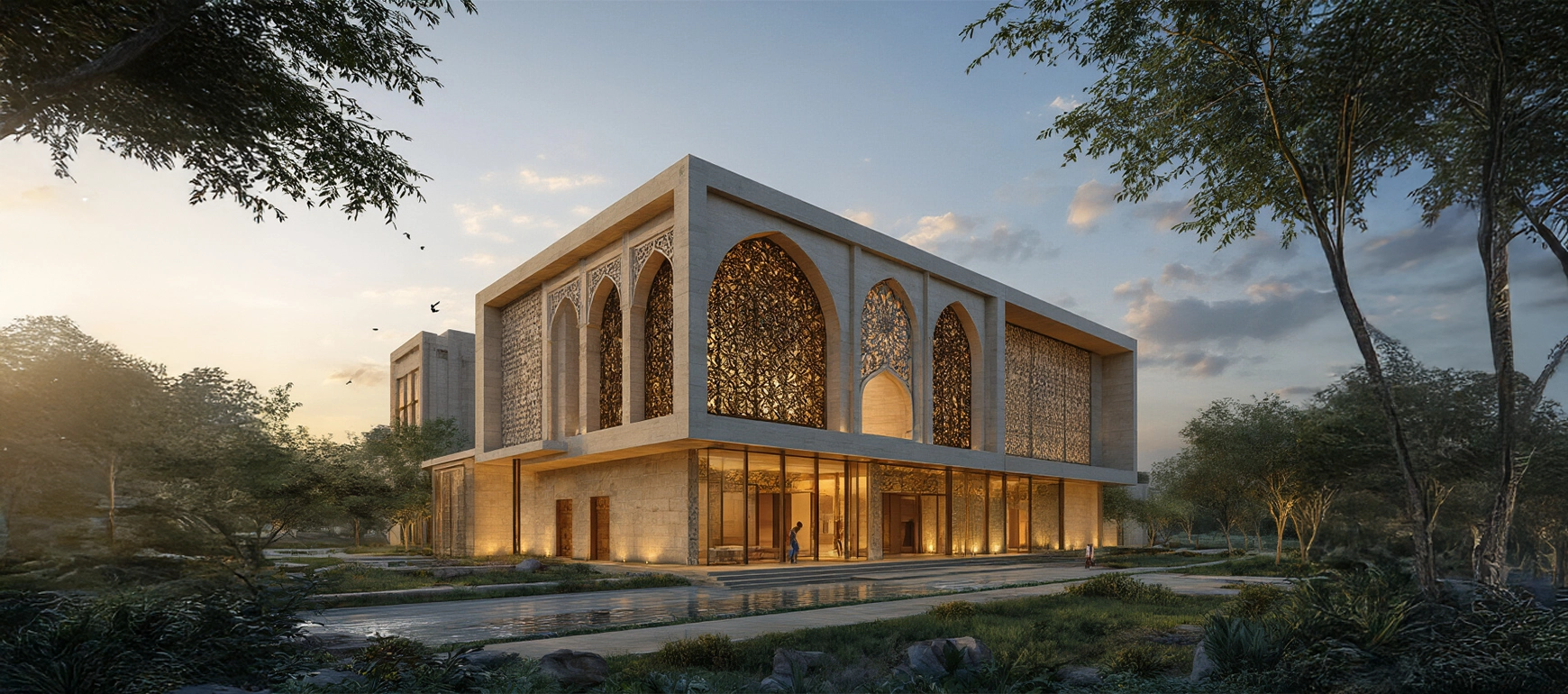
These approaches create buildings that perform better while honoring cultural identity. A office tower in Mumbai that incorporates traditional jali screens reduces cooling costs by 30% while creating beautiful filtered light patterns that connect occupants to local architectural heritage.
Community input integration for culturally relevant spaces
The most successful culturally-inspired projects start with extensive community engagement. Architects spend months in neighborhoods, attending local festivals, visiting family homes, and understanding how people actually live and gather. This research reveals design opportunities that outside observers might miss entirely.
Community workshops help architects understand which cultural elements matter most to residents. A housing project might discover that shared cooking spaces are more important than individual kitchens, or that prayer rooms should face specific directions. These insights shape fundamental design decisions rather than being added as superficial decorative elements.
The engagement process itself builds community support for new developments. When residents see their input reflected in final designs, they become project advocates rather than opponents. This grassroots support helps projects move through approval processes more smoothly and creates lasting community pride in the finished buildings.

 01Sep
01Sep
 02Sep
02Sep