Modular Furniture Systems for Multi-Functional Room Usage
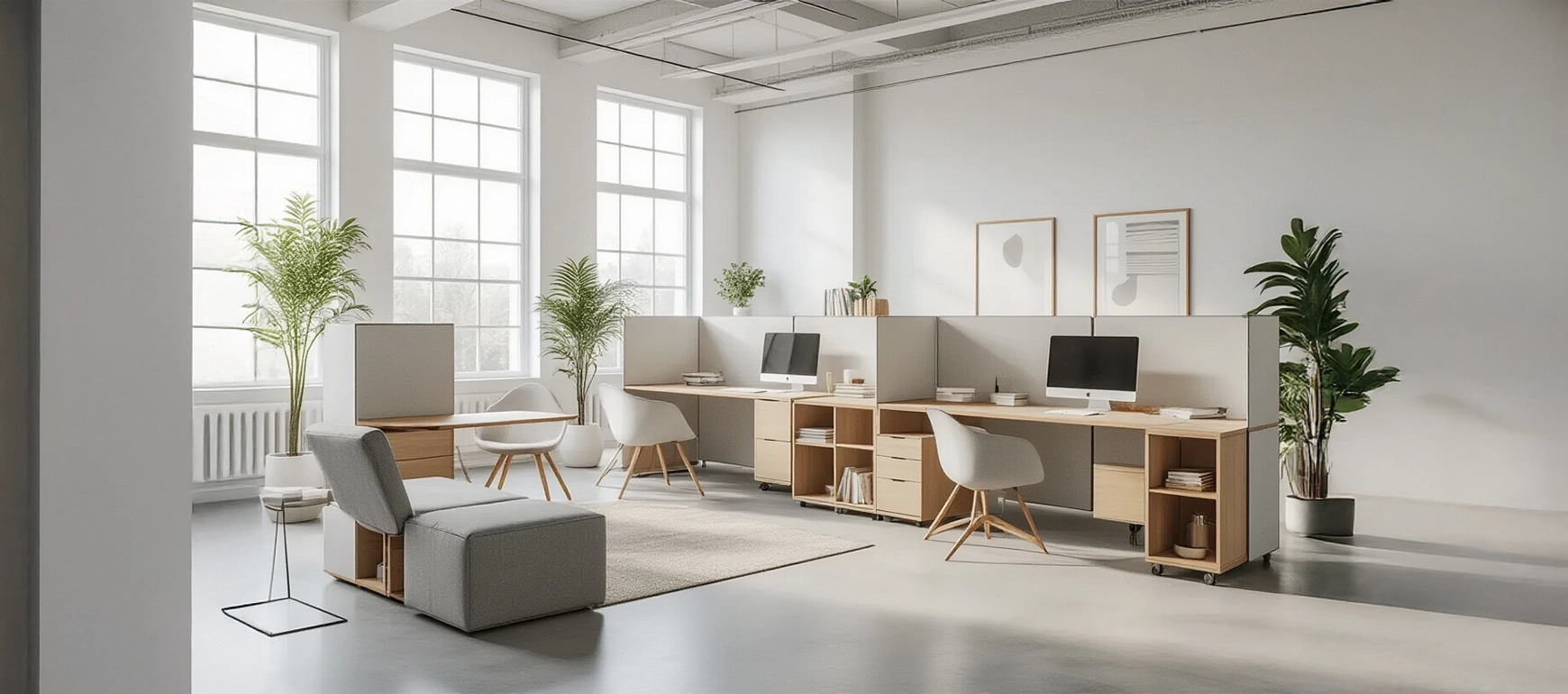
Modular furniture has evolved from a budget-friendly college dorm solution to a sophisticated architectural element that redefines how we interact with our living spaces. Today’s modular systems feature sleek designs with premium materials that rival traditional built-in furniture while offering unprecedented flexibility.
The beauty of modular furniture lies in its ability to transform a single room into multiple environments throughout the day. A home office desk can quickly become a dining table for entertaining guests, while storage ottomans double as extra seating during gatherings. Modern modular pieces incorporate hidden compartments, fold-out surfaces, and stackable components that maximize functionality without sacrificing aesthetics.
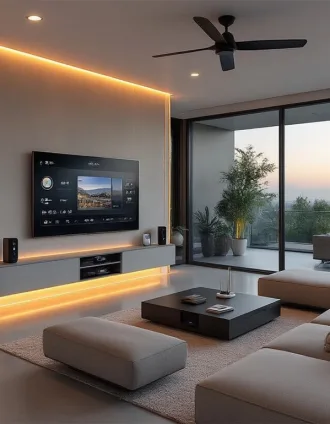
Smart modular systems now integrate technology seamlessly, with built-in charging stations, LED lighting, and even wireless connectivity features. Manufacturers are creating pieces that snap together with magnetic connections or precision-engineered joints, making reconfiguration effortless and tool-free.
Moveable Wall Partitions to Maximize Space Efficiency
Moveable wall partitions represent a game-changing approach to spatial design, allowing occupants to reshape their environment based on immediate needs. These systems range from lightweight accordion- style dividers to heavy-duty sliding panels that provide complete acoustic separation between spaces.
Modern partition systems incorporate sound-dampening materials, integrated storage solutions, and even digital displays or whiteboards. High-end options feature motorized operation controlled through smartphone apps, enabling instant room reconfiguration at the touch of a button.
The architectural impact extends beyond residential applications. Open-plan offices use sophisticated track systems that allow walls to slide overhead when not needed, while restaurants employ moveable partitions to adjust dining room capacity based on reservation demands. Glass partitions with switchable privacy features add another layer of versatility, transitioning from transparent to opaque using electrochromic technology.
Convertible Outdoor-Indoor Living Areas for Year-Round Enjoyment
The boundary between indoor and outdoor living continues to blur as architects embrace convertible spaces that adapt to seasonal changes and weather conditions. Retractable glass walls, sliding roof panels, and pivot doors create seamless transitions that expand living areas when conditions permit.
Advanced glazing systems with thermal break technology maintain energy efficiency while maximizing natural light and ventilation. Some installations feature floor-to-ceiling glass panels that disappear completely into wall pockets, creating truly open-air experiences during pleasant weather.
Climate control extends to these transitional spaces through radiant heating systems embedded in floors and walls, allowing year-round comfort regardless of outdoor conditions. Automated weather sensors can trigger protective measures, closing openings and activating climate systems when storms approach.
These convertible areas often incorporate outdoor kitchens, fire features, and weather-resistant furnishings that remain functional whether the space is configured as indoor or outdoor. The result is a significant increase in usable square footage that enhances property value while improving quality of life.

 30Aug
30Aug
 20Sep
20Sep