Integrated retail and residential spaces for convenient living
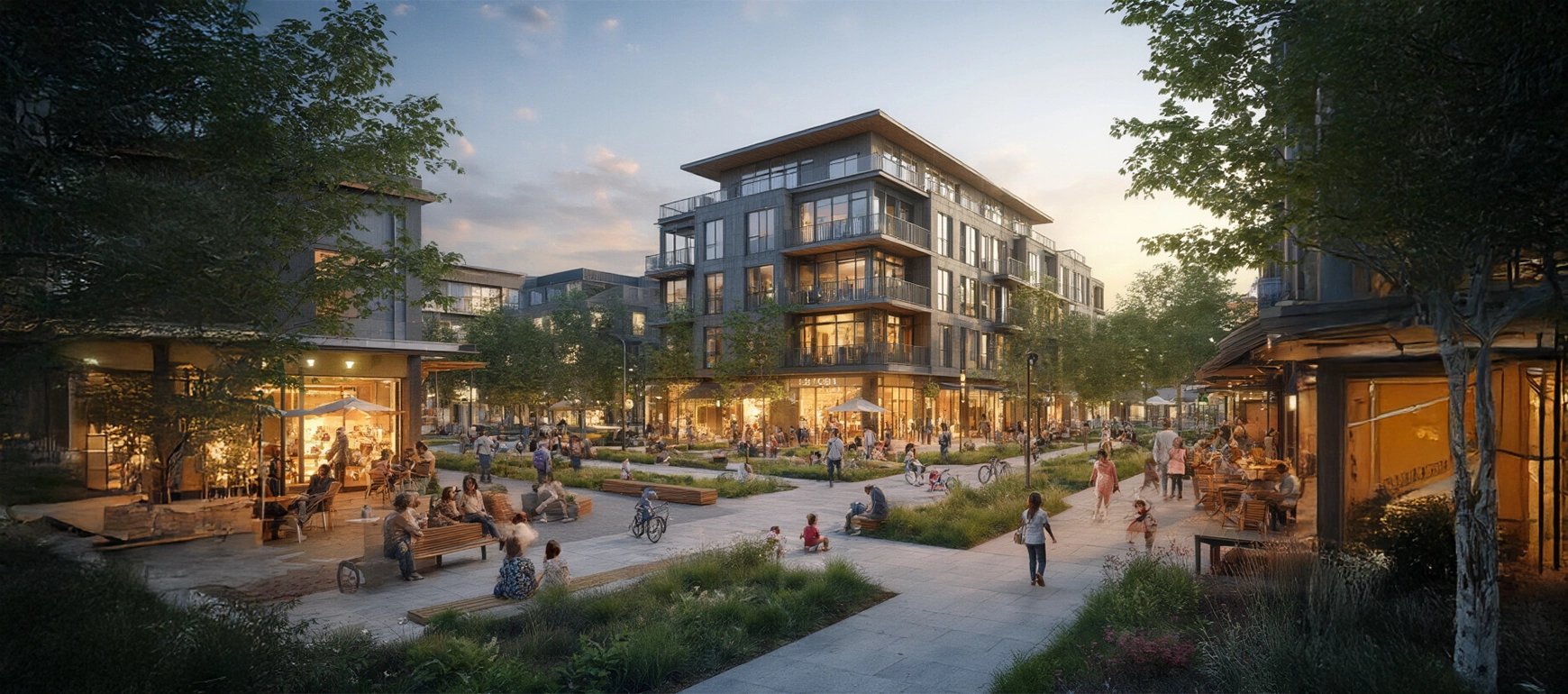
Modern developments are breaking down the walls between where we live and where we shop, creating seamless environments that put everything within walking distance. Ground-floor retail spaces now house grocery stores, cafes, fitness centers, and essential services directly beneath residential units, transforming the daily routine into a series of pleasant strolls rather than car trips across town.
These integrated spaces work because they’re designed around real human behavior. Residents can grab fresh bread from the bakery downstairs before work, meet friends at the corner bistro in the evening, or duck into the dry cleaner without ever leaving their building complex. This convenience factor has become a major selling point for both tenants and retail businesses, creating a symbiotic relationship that benefits everyone involved.
Smart zoning and acoustic design ensure that the vibrancy of commercial activity doesn’t disturb residential peace. Developers are using advanced soundproofing, strategic layout planning, and time- based programming to make sure late-night diners don’t wake up families living above. The result is neighborhoods that feel alive and active while maintaining the tranquility people need at home.
Shared amenity spaces that foster neighborhood connections
Community spaces are becoming the heart of modern developments, designed specifically to bring neighbors together in meaningful ways. Rooftop gardens, co-working lounges, maker spaces, and communal kitchens create natural meeting points where residents can interact organically rather than just passing each other in hallways.
These spaces go far beyond traditional amenities like pools and gyms. We’re seeing chef’s kitchens where neighbors can host dinner parties, workshop spaces equipped with 3D printers and woodworking tools, and flexible event rooms that transform from yoga studios in the morning to wine tasting venues in the evening. The key is variety – offering different types of spaces that appeal to different personalities and interests.
What makes these spaces truly successful is their programming. Regular events like community gardens, book clubs, skill-sharing workshops, and seasonal celebrations give people reasons to use these areas and connect with their neighbors. Property managers are increasingly acting as community coordinators, fostering the social connections that turn apartment buildings into genuine neighborhoods where people look out for each other.
Walkable design principles for reduced transportation needs
Walkability is no longer just a nice-to-have feature – it’s becoming essential infrastructure that shapes how entire neighborhoods function. Streets are being redesigned with wide sidewalks, protected bike lanes, and frequent crosswalks that prioritize pedestrians over vehicles. Trees and street furniture create pleasant walking environments that encourage people to leave their cars at home.
The 15-minute neighbourhood concept is gaining serious traction, where residents can access most of their daily needs within a quarter-hour walk. This means strategically placing schools, healthcare facilities, grocery stores, and workspaces throughout the community rather than clustering them in distant commercial zones. Mixed-age housing ensures that families with children live near retirees who might enjoy helping with babysitting, creating natural support networks.
Traffic calming measures like narrowed roads, speed bumps, and pocket parks slow down vehicles while creating more pleasant pedestrian experiences. These design choices don’t just reduce car dependency – they improve air quality, increase physical activity, and strengthen community bonds as people naturally encounter each other during their daily walks around the neighbourhood.

 01Sep
01Sep
 05Sep
05Sep