Sky Gardens and Rooftop Agriculture for Food Security
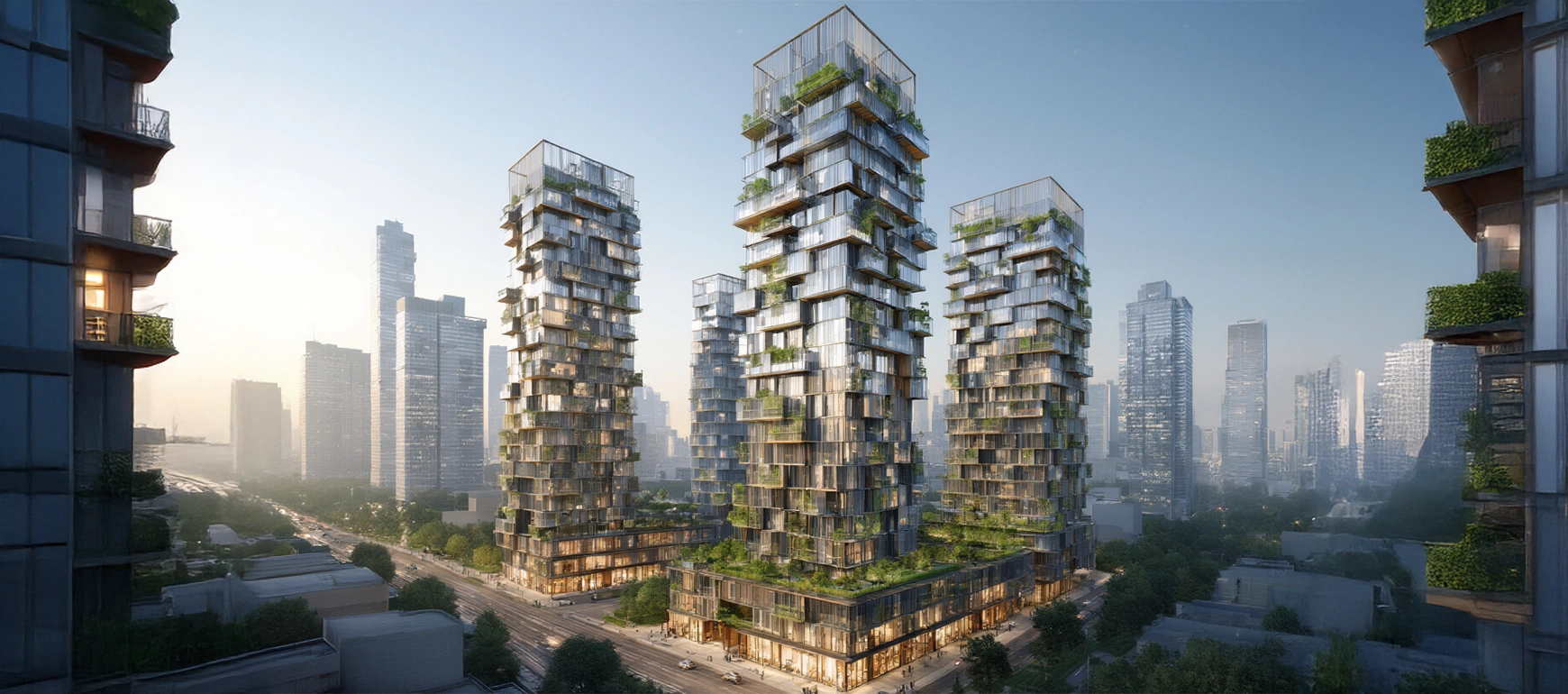
Modern cities are transforming their skylines by turning building tops into productive green spaces. Rooftop farms now grow fresh vegetables, herbs, and even fruits right above urban apartments and offices. These elevated growing systems use hydroponic and aeroponic technologies that require 90% less water than traditional farming while producing crops year-round.
Singapore leads this movement with over 200 rooftop farms supplying local restaurants and grocery stores. These installations feature automated irrigation systems, climate-controlled greenhouses, and vertical growing towers that can produce 10 times more food per square foot than ground-level agriculture. Residents living in buildings with integrated farming systems enjoy access to ultra-fresh produce while reducing their carbon footprint.
Sky gardens serve dual purposes beyond food production. They create natural cooling systems that reduce building energy costs by up to 30%, filter air pollution, and provide peaceful retreat spaces for urban dwellers. Advanced designs incorporate rainwater collection systems and solar panels, making these installations completely self-sustaining.
Vertical Transportation Systems That Optimize Building Flow
High-rise living demands revolutionary approaches to moving people efficiently through buildings. Multi-directional elevators now travel horizontally and vertically using magnetic levitation technology, eliminating wait times and reducing energy consumption by 60%. These systems allow multiple cars to operate in the same shaft, dramatically increasing building capacity without expanding footprints.
Smart elevator systems powered by AI predict traffic patterns and pre-position cars where they’re needed most. During morning rush hours, elevators automatically gather at lobby levels. Evening systems anticipate residents returning home and optimize routes to minimize stops and travel time.
Building design now incorporates express elevator cores for rapid vertical transit, complemented by local elevators serving clusters of floors. Skip-stop systems move residents quickly to transfer floors, where they catch local elevators to their final destinations. This hub-and-spoke approach reduces travel time by up to 40% in buildings over 50 stories.
Compact Living Designs That Maximize Functionality per Square Foot
Micro-apartments are revolutionizing urban living by packing full functionality into spaces as small as 200 square feet. These units feature transforming furniture systems where beds fold into walls, dining tables convert to work desks, and kitchen counters slide away when not needed. Multi-level designs create distinct zones within single rooms, using loft sleeping areas to free up floor space for living activities.
Storage solutions hide in every possible location, from staircases with built-in drawers to bathroom mirrors that open to reveal medicine cabinets. Ceiling-mounted systems allow residents to hoist bicycles, seasonal items, and rarely used belongings out of the way. Modular wall systems adapt to changing needs, allowing residents to reconfigure their spaces as life circumstances change.
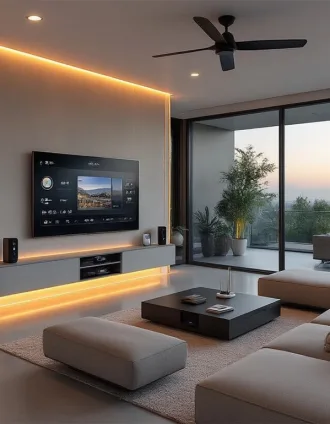
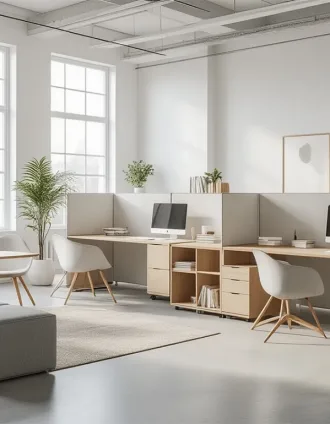
Community amenities replace private space inefficiencies. Shared kitchens, co-working areas, fitness centers, and entertainment rooms allow residents to access premium facilities without dedicating precious square footage to rarely used features. This approach creates stronger neighborhood connections while delivering luxury experiences at fraction of traditional costs.

 30Aug
30Aug
 31Aug
31Aug